

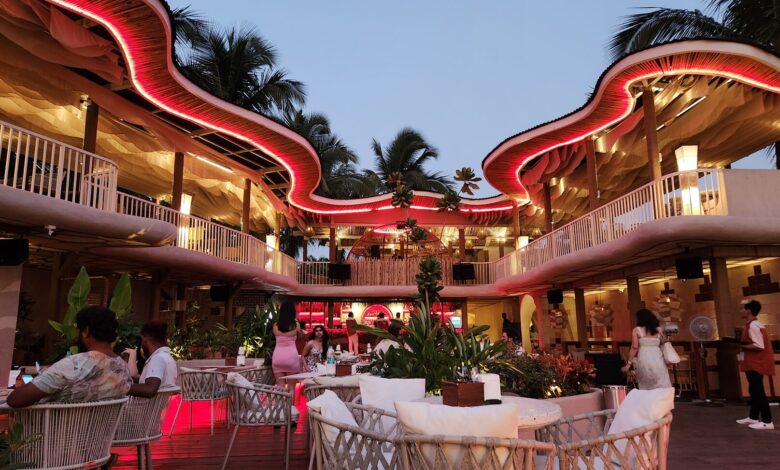
The Dubki menu offered a broad mix of seafood, Asian food, bar snacks, pizzas, burgers, and desserts. It belonged to Dubki – Dawn & Dusk Bar, a cliffside venue near Ozran Beach in Vagator, North Goa. Guests came for the food, but the sea view and sunset setting were often the bigger draw.
Dubki was not built as a simple restaurant. It mixed dining, music, design, and nightlife in one space. During the day, it had a calm beach-club mood. After sunset, louder music and club-style energy changed the feel of the venue.
As of August 2026, major restaurant listings mark Dubki as temporarily closed for dining. Its social media presence also describes the venue as temporarily closed. Reports that the property was sealed or seized could not be confirmed through a strong official source, so visitors should check its latest status before making plans.
What Was Dubki – Dawn & Dusk Bar?
Dubki – Dawn & Dusk Bar was a restaurant, bar, and nightlife venue in Vagator. It was located at 241/2, Ozran Beach, North Goa. The property sat on a cliff beside the beach and looked out over the Arabian Sea.
The name matched the venue’s main idea. “Dawn” described its relaxed daytime mood. “Dusk” referred to its evening change, when the bar became louder, busier, and more focused on music.
The word “Dubki” can also mean a plunge or dip. That meaning suited a venue shaped around the sea, open views, and the idea of moving from a calm afternoon into an active night.
Restaurant listings placed its average cost at about ₹1,500 to ₹2,000 for two people. The final bill could rise with seafood, taxes, and service charges.
What Kind of Food Was on the Dubki Menu?
The Dubki menu did not follow one fixed food style. It mixed Continental food with Asian dishes, local seafood, fast food, and sweet dishes. This gave groups more choice, since one person could order pizza while another chose curry, noodles, or grilled fish.
Its menu worked best as a sharing menu. Small plates, dumplings, wings, and bar snacks could be placed in the center of the table. Larger dishes were available for guests who wanted a full meal.
The venue was officially listed under Continental, seafood, Asian, fast food, and dessert categories. This wide mix made it suitable for long evening visits rather than quick meals.
Prices were higher than those at a basic local café. Guests were paying for the cliffside site, design, entertainment, and atmosphere along with the food.
Small Plates and Appetizers
Small plates formed an important part of the Dubki menu. They suited groups that wanted food with cocktails or drinks. Most starters were priced from about ₹350 to ₹650, though exact rates could change.
One known dish was Blue Pea Dumplings with cream cheese. The bright color made the plate look striking, while the soft cheese added a rich taste. It reflected the venue’s focus on food that looked good in photos.
Maple Chipotle Chicken Wings were another creative choice. They mixed sweet maple flavor with the heat and smoke of chipotle. The dish was familiar enough for most diners but still had a clear twist.
Vegetarian options included paneer, mushroom, corn, cheese, and tofu-based dishes. Items such as celery paneer tikka, mushroom xacutti samosa cones, and corn cheese rissois showed how Indian flavors were mixed with modern bar food.
The starters were not meant to represent strict regional cooking. They were built for casual dining and sharing. Some guests may have liked this mix, while others may have preferred more traditional Goan food.
Pizzas, Burgers, and Comfort Food
The Dubki menu also included pizzas and burgers for diners who wanted simple comfort food. These items usually fell within the ₹450 to ₹750 price range.
The pizzas were made in a thin-crust style. A lighter base made them easy to share with drinks and small plates. Toppings ranged from vegetables and cheese to meat and seafood.
The Seafood Pizza was among the venue’s better-known choices. It matched the coastal setting and gave diners a less formal way to enjoy seafood. The exact catch and topping mix could vary based on supply.
Gourmet burgers were available in meat and vegetarian forms. These were filling choices for diners who did not want curry or seafood. Fries or another side often completed the plate.
The comfort-food section helped make the menu more open to mixed groups. Not every guest at a nightlife venue wants an unusual dish. A pizza or burger gave people a safe and familiar option.
Asian Dishes and Main Courses
Asian food had a strong place on the Dubki menu. The selection included noodles, stir-fries, rice dishes, curries, and soft steamed buns.
Chicken baos offered a mix of soft bread, seasoned meat, sauce, and fresh garnish. They worked as either a starter or a light meal. Vegetarian fillings may also have been available during different menu periods.
Noodle dishes included options inspired by Thai and Southeast Asian cooking. Pad Thai with chicken was one example. Guests could also find rice dishes made with herbs, vegetables, egg, tofu, or meat.
Penang-style curry with jasmine rice and tofu croquettes gave vegetarian guests a fuller main course. The curry offered a rich, fragrant sauce, while the tofu added texture and protein.
Asian mains generally cost between ₹500 and ₹800. Portions were often made for one person, though some rice and noodle dishes could be shared.
The food was best viewed as modern fusion rather than strict Asian cooking. Sauces and spice levels were often adjusted for a broad restaurant crowd.
Fresh Seafood and Premium Catch
Seafood was one of the most fitting parts of the Dubki menu. The venue looked out over the sea, and many guests expected fresh coastal dishes to match the view.
Regular seafood choices included prawns, fish, squid, and mixed seafood plates. Larger dishes could include seafood paella or grilled fish served with vegetables, rice, or sauce.
Premium catch items were more costly. Whole fish, jumbo prawns, and lobster could range from around ₹900 to more than ₹2,500. Market price, weight, season, and availability could all affect the final rate.
Customers ordering fresh catch should always ask for the price before confirming. A menu may show the rate per portion, per 100 grams, or by total weight. This is important when ordering whole fish or lobster.
The premium seafood section made the Dubki menu suitable for special meals. But it could also push the final bill far above the standard cost-for-two estimate.
Vegetarian Choices on the Dubki Menu
The restaurant was not limited to seafood and meat. The Dubki menu had several vegetarian choices across starters, fast food, and main courses.
Paneer dishes were common. Celery paneer tikka and paneer tacos mixed Indian cheese with modern flavors and serving styles. Corn, mushroom, cauliflower, avocado, tofu, and jackfruit were also used.
Vegetarian diners could choose dumplings, pizza, curry, noodles, burgers, and fried snacks. This meant they were not limited to one plain dish while the rest of the group had more choice.
Some dishes may have been suitable for vegans after changes. For example, tofu curry or vegetable noodles could be prepared without dairy or egg. However, guests needed to confirm ingredients with the kitchen.
The same care applied to gluten-free meals. Sauces, fried coatings, bread, and soy sauce may contain gluten. A dish that looks safe may still include it.
Drink and Bar Service
Dubki was also a full bar, so drinks formed a major part of its appeal. Guests could pair the Dubki menu with Halal Mocktails or soft drinks.
The bar’s strongest period was around sunset. Many people came before dusk to get a good table, order drinks, and watch the light change over the water.
Mocktail quality received mixed comments from diners. Some enjoyed the drinks and overall bar experience. Others reported that preparation and taste were not always consistent. Since drinks can change by bartender and visit, this feedback should be treated as personal experience rather than a fixed fact.
Non-alcoholic drinks were also important in Goa’s heat. Fresh juice, soda, mocktails, and chilled water could help guests stay comfortable during long afternoon visits.
Drink prices could increase the bill fast. A couple ordering a meal, several mocktails, taxes, and service charges could spend much more than the listed average for two.
Desserts and Sweet Finishes
Desserts added a final, lighter section to the Dubki menu. The range could change, but the venue generally offered modern plated sweets rather than a long traditional dessert list.
Chocolate-based desserts were a likely choice for guests who wanted something rich. Fruit, cream, ice cream, or cake-style dishes gave diners simpler options after a spicy meal.
Desserts also suited the social style of the restaurant. One or two plates could be shared across a group instead of each person ordering a separate sweet.
Guests visiting mainly for sunset could order coffee and dessert rather than a full meal. This made the venue useful for short social visits as well as longer dinner plans.
The Design Behind the Dining Experience
The Dubki menu was only one part of the venue’s appeal. Its architecture helped make the restaurant widely photographed.
Maze Concept designed the 8,000-square-foot site in Vagator in 2022. The designers took ideas from ocean waves and used curved forms, muted shades, and natural-looking materials to create a relaxed beach-club setting.
A flowing ferro-cement structure created a cave-like area facing the sea. The roof used long curved lines instead of sharp box-like forms. Fabric panels moved with the breeze and created a wave effect across parts of the space.
The design worked with the cliff instead of hiding it. Guests could see the sunset from wide parts of the venue. Warm lights changed the feel after dark and supported its move from dining spot to nightlife space.
A design publication also described the narrow entrance, existing deck, cliff location, and broad sunset view. These limits shaped how the final venue was planned.
Atmosphere From Day to Night
Dubki’s main concept depended on change. The calm daytime setting was very different from the late evening mood.
During the afternoon, guests could eat, talk, and watch the sea. Natural light, soft colors, and the open cliffside location gave the place a relaxed feel.
Near sunset, the venue became busier. Tables with the clearest views were in high demand. Music grew louder, more drinks were ordered, and the space began to feel like a social bar.
After dark, DJ music and club energy became more important. This could be exciting for groups, but it was not ideal for every diner. Families or guests who wanted a quiet dinner may have preferred an earlier visit.
This shift was the core of the Dawn & Dusk idea. The restaurant was designed to change with the time of day rather than hold the same mood from opening until closing.
Reviews, Service Charges, and Common Complaints
Public response to the venue was mixed but often positive. Zomato displayed a dining rating of about 4.1 from more than 370 ratings when checked in August 2026.
Many diners praised the sea view, sunset, architecture, and photo-friendly setting. The location often received more praise than any one item on the Dubki menu.
Food reviews were less consistent. Some guests liked the creative dishes and large choice. Others felt that taste, drink quality, or service did not always match the price.
One repeated concern involved service charges. Some customers objected to how staff handled requests to remove or question the charge. Rules and billing methods can change, so diners should check the bill and ask about all fees before paying.
A service problem reported by one person does not prove that every visit was the same. Still, repeated comments are useful when deciding what to expect from a premium venue.
Is Dubki Currently Open?
As of August 3, 2026, Zomato lists Dubki – Dawn & Dusk Bar as temporarily closed for dining. Its Facebook profile also uses a temporary closure notice.
Some online reports claim that the site was sealed or seized. However, there is not enough clear public evidence from an official government notice or a well-established news outlet to state this as confirmed fact.
Anyone planning to visit should check the venue’s verified social pages or call before traveling. Old listings may still display past hours, prices, photographs, and booking details even while a business is closed.
The Dubki menu should therefore be treated as a guide to its known food offering, not proof that every item is currently available.
Final Thoughts on the Dubki Menu
The Dubki menu was built for a stylish coastal venue rather than a simple beach café. It combined creative snacks, thin-crust pizza, burgers, Asian dishes, curries, seafood, and desserts.
Its strongest points were variety and setting. Groups could order different kinds of food while enjoying a wide sea view and a strong sunset scene. The architecture gave the restaurant a clear identity that many standard bars lack.
The weaker points were price and uneven customer feedback. Premium seafood and drinks could make the bill high. Some diners also reported concerns about cocktail quality, service, and added charges.
Still, the Dubki menu matched the venue’s main goal. It offered shareable food for long afternoons, sunset drinks, and active nights. Whether Dubki reopens in the same form remains unclear, but its design and cliffside setting made it one of Vagator’s more distinct dining concepts.