
Statens Luftfartsvæsen: The Full History of Denmark’s Former Civil Aviation Authority

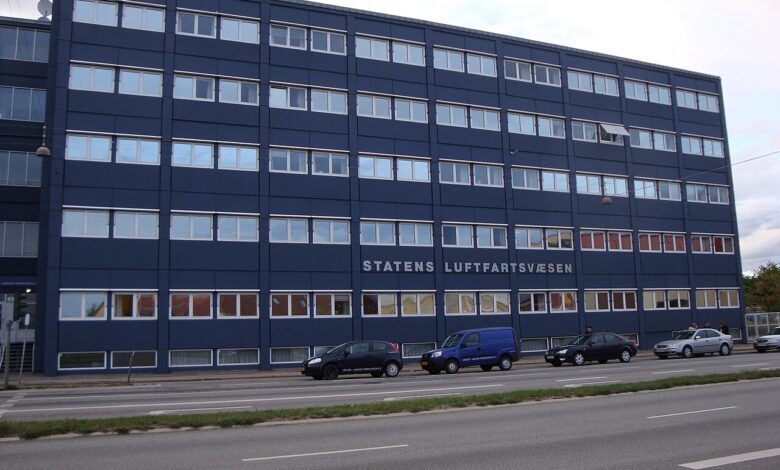
Statens Luftfartsvæsen was Denmark’s main civil aviation authority for many years. The government agency helped control aviation safety, aircraft rules, pilot licenses, airports, and flight operations. It worked under Denmark’s Ministry of Transport and also handled several aviation matters linked to Greenland and the Faroe Islands. Although the agency no longer exists under its former name, much of its work continues through the Danish Civil Aviation and Railway Authority.
What Was Statens Luftfartsvæsen?
Statens Luftfartsvæsen was a Danish government agency responsible for civil aviation.
It was often shortened to SLV. In English, its name was commonly translated as the Danish Civil Aviation Administration or the Danish Civil Aviation Authority.
The agency acted as Denmark’s public aviation regulator. It created rules, issued approvals, checked aviation companies, and watched over safety standards.
Its work covered many parts of civil flight. These included airlines, pilots, aircraft, repair shops, flight schools, airports, and air navigation services.
For much of its history, SLV was one of the main public bodies behind Denmark’s safe and organized aviation system.
The agency was not an airline. It did not sell tickets or operate passenger routes. Its main role was to supervise the people and firms that worked within civil aviation.
Quick Facts About Statens Luftfartsvæsen
| Fact | Details |
|---|---|
| Full name | Statens Luftfartsvæsen |
| Common short name | SLV |
| English meaning | Danish Civil Aviation Administration |
| Country | Denmark |
| Government area | Civil aviation |
| Original name | Luftfartsdirektoratet |
| Founded | March 1, 1938 |
| Renamed | 1985 |
| Former ministry | Danish Ministry of Transport |
| Main role | Regulation and safety oversight |
| Areas covered | Denmark, with duties linked to Greenland and the Faroe Islands |
| Former airport role | Operation of Bornholm Airport and, for a period, Vágar Airport |
| Independent status ended | November 1, 2010 |
| Successor | Trafikstyrelsen |
| Current related authority | Trafikstyrelsen, also known in English as the Danish Civil Aviation and Railway Authority |
The Creation of the Danish Aviation Authority
The roots of Statens Luftfartsvæsen go back to March 1, 1938.
At that time, Denmark created an aviation office called Luftfartsdirektoratet. The name can be translated as the Directorate of Civil Aviation.
It worked under the Ministry for Public Works. Its creation came during a major period of change in European aviation.
Commercial air travel was growing. Aircraft were becoming faster and more advanced. More people and goods could move between cities and nations by air.
This growth created a need for clear laws and public control. Governments needed to approve aircraft, train flight staff, protect passengers, and manage airspace.
Denmark responded by building a central aviation authority. This body gave the state a formal way to guide and supervise the civil aviation sector.
Naviair records also connect the creation of the Danish aviation service provider with 1938, a key year in the early structure of Danish air navigation.
From Luftfartsdirektoratet to Statens Luftfartsvæsen
The agency kept the name Luftfartsdirektoratet for several decades.
In 1985, the government changed its name to Statens Luftfartsvæsen. The new title placed more focus on its role as the state aviation service.
By this point, civil aviation had changed greatly.
Jet travel had become common. International airlines were carrying millions of passengers. Airports needed better control systems, stronger safety plans, and more detailed technical rules.
Denmark also had to work with global and European aviation bodies. Common rules helped aircraft move safely between countries.
The renamed authority became responsible for both older aviation duties and new technical demands. It had to respond to larger aircraft, busier airports, modern navigation tools, and stricter safety standards.
The name Statens Luftfartsvæsen remained in use until the agency lost its status as a separate authority in 2010.
The Main Role of Statens Luftfartsvæsen
The core purpose of SLV was to protect civil aviation safety.
It set rules and checked whether aviation firms followed them. These rules covered both commercial and private flight.
The agency could inspect airlines, training centers, aircraft operators, technical workshops, and other approved groups.
It also handled certificates and permits. A person or company could not perform many aviation tasks without proper approval.
Pilots needed valid licenses. Aircraft had to meet technical standards. Maintenance firms needed approved systems and trained staff.
Airports also had to follow rules for runways, equipment, emergency plans, lighting, and daily operations.
Through this system, Statens Luftfartsvæsen helped reduce risk. It created a clear legal structure for people working in Danish aviation.
Bestemmelser for Civil Luftfart
One of the authority’s best-known duties was issuing the Bestemmelser for Civil Luftfart.
These rules were normally known as BL regulations.
BL rules covered many parts of flight and aviation work. They explained what operators had to do to receive approval and keep that approval.
Some BL rules dealt with aircraft registration. Others covered pilot certificates, radio use, technical service, aviation schools, airport operations, or commercial flight.
The regulations gave aviation workers a formal set of standards. They also gave inspectors a legal base for checking safety.
Many later aviation rules still use the BL system. Current regulations may now appear under Trafikstyrelsen, but older documents often carry the name of Statens Luftfartsvæsen.
A 2010 regulation on aviation fees, for example, refers to authority granted through earlier rules concerning SLV’s tasks and powers. It also shows how Trafikstyrelsen began handling aviation approvals and ongoing oversight after the merger.
Aircraft Registration and Legal Control
The former authority also played a role in aircraft registration.
Aircraft linked to Denmark had to be entered in the national aircraft register when required by law. Registration helped show an aircraft’s identity, nationality, owner, and legal status.
Statens Luftfartsvæsen acted as the registration authority before the task moved to Trafikstyrelsen.
Recent Danish legal documents still refer to Trafikstyrelsen as the authority that replaced SLV in this area. They also confirm that the present authority keeps Denmark’s national aircraft register.
Registration may sound like simple office work. Yet it has real legal value.
It helps officials track aircraft. It also supports ownership records, safety checks, insurance matters, and international flight rights.
By controlling this process, SLV helped maintain a trusted public record of Danish civil aircraft.
Pilot Licenses and Professional Certificates
Aviation depends on trained and approved staff.
Statens Luftfartsvæsen managed or supervised many certificate systems. These covered pilots, radio operators, technical staff, instructors, and other aviation workers.
A pilot license showed that a person had passed the required tests. It also showed that the pilot met health, skill, and training standards.
Some licenses allowed private flying. Others covered commercial aircraft, larger planes, or special flight duties.
The agency could set limits, renew certificates, request tests, or take action when a person failed to meet the rules.
It also dealt with language and radio standards. Clear radio contact is vital during flight. A small error between a pilot and an air traffic controller can create serious risk.
Even current Danish radio certificate rules contain legal references to powers once connected with Statens Luftfartsvæsen. Today, Trafikstyrelsen carries out the related regulatory role.
Oversight of Airlines and Aircraft Operators
Airlines had to meet strict standards before carrying passengers.
SLV checked their legal, technical, and safety systems. An airline needed trained staff, approved aircraft, proper maintenance, and a working safety plan.
The authority could review flight manuals and company procedures. It could also inspect aircraft and operating bases.
Smaller operators faced rules as well. Charter firms, flight schools, private operators, and firms carrying cargo had to meet standards linked to their work.
Oversight did not end after an approval was issued. The agency carried out ongoing checks.
This mattered because aviation conditions could change. Aircraft could age. Staff could leave. A company could change its routes or add new equipment.
Regular control helped confirm that operators stayed fit to fly.
Air Traffic Control and Navigation Duties
Statens Luftfartsvæsen once had a direct role in air navigation services.
These services included air traffic control and the technical systems used to guide aircraft. Radar, radio links, navigation signals, and control centers all supported safe flight.
As aviation became more complex, Denmark began to separate regulatory duties from service duties.
This change followed a wider European trend. Public authorities wanted one body to write and enforce rules, while another organization provided daily air navigation services.
The practical air traffic service role later became linked to Naviair.
Naviair now provides air navigation services in Danish airspace and in connected areas. Its historical records identify SLV as the former Danish Civil Aviation Administration and show the later division between public oversight and operational air traffic services.
This separation helped avoid a possible conflict. The same agency would no longer both provide a service and judge whether that service met the rules.
Statens Luftfartsvæsen and Danish Airports
The authority was also linked to airport operations.
For a time, it was responsible for running Bornholm Airport. The airport serves the Danish island of Bornholm in the Baltic Sea.
Its public role made sense because the airport supported local travel and helped connect the island with the rest of Denmark.
SLV also operated Vágar Airport in the Faroe Islands for a period.
Vágar Airport is the main airport serving the Faroe Islands. Its location creates special flight needs due to mountains, wind, clouds, and changing weather.
Operating airports was different from setting aviation rules. Over time, public reforms moved many operational duties away from the national regulator.
This allowed the aviation authority to focus more closely on safety control, legal standards, licenses, and inspections.
Aviation Oversight in Greenland and the Faroe Islands
The agency’s work was not limited to mainland Denmark.
Danish aviation law and public authority structures also affected civil aviation in Greenland and the Faroe Islands. The exact legal system could differ because both territories have special political and administrative arrangements.
Still, Statens Luftfartsvæsen played an important role in aviation rules, certificates, and safety control connected with these areas.
This was a demanding task.
Greenland has long distances, difficult weather, and many remote communities. Air travel is often more important there than road travel.
The Faroe Islands also face strong winds, mountain areas, and fast weather changes.
These conditions require careful planning, trained crews, reliable navigation systems, and strict airport rules.
The agency’s wider area of responsibility made it an important part of North Atlantic aviation safety.
Why Statens Luftfartsvæsen Was Merged
By the late 2000s, Denmark was changing the way it managed public transport control.
The government wanted to place more transport duties within one larger authority. A combined body could oversee several forms of transport and reduce repeated office work.
As part of this reform, Statens Luftfartsvæsen was merged with Trafikstyrelsen.
The merger took effect on November 1, 2010.
SLV then stopped existing as an independent government agency. Its name formally passed out of use as the main aviation authority.
Danish legislative records confirm that the former authority became part of Trafikstyrelsen on that exact date. They also state that duties previously assigned to SLV were taken over by Trafikstyrelsen.
The merger did not end state control of aviation. It changed the office that carried out the work.
What Happened to SLV’s Duties?
Most of the former authority’s regulatory duties continued after the merger.
Trafikstyrelsen took over aviation inspections, certificates, approvals, rulemaking, fees, and many registration duties.
It also became responsible for checking airports, airlines, flight schools, repair firms, aircraft owners, and licensed workers.
This meant the public still had a clear aviation regulator.
The main difference was its place within a broader transport authority. Aviation became one part of an organization that also handled other transport areas.
Some operational tasks had already moved to separate bodies before the merger. Naviair handled air navigation services, while airport operators managed daily airport work.
This created a clearer line between regulation and operation.
The Lasting Impact of Statens Luftfartsvæsen
The agency helped shape Denmark’s modern civil aviation system.
It built rules that guided pilots, airlines, airports, and technical companies. It also helped Denmark meet international aviation standards.
Its inspectors worked in a field where small errors could have major results. Careful checks were therefore a key part of its public mission.
The authority also supported the move from early national flight to a complex international system.
When its first form was created in 1938, commercial aviation was still young. By 2010, Denmark was part of a large European aviation network with modern jets, shared safety rules, and advanced air traffic systems.
SLV had to change with each stage.
Its name has disappeared from daily government use, but its work remains visible. Older BL rules, official records, licenses, and legal documents still mention the former agency.
Is Statens Luftfartsvæsen Still Active Today?
No. Statens Luftfartsvæsen is no longer an independent authority.
It officially became part of Trafikstyrelsen on November 1, 2010.
People may still find the old name in aviation documents. This often happens when a regulation, certificate, or legal rule was first issued before the merger.
The name can also appear in job records and historical files. A 2025 Danish employment circular, for example, refers to Trafikstyrelsen staff who formerly worked within Statens Luftfartsvæsen.
These references do not mean the agency has returned.
They simply show that older legal and work systems can remain relevant long after an office changes its name or structure.
Statens Luftfartsvæsen in Danish Aviation History
Statens Luftfartsvæsen was more than a government office.
It was part of the system that allowed Danish civil aviation to grow in a safe and controlled way.
The authority started when air travel was still new. It later faced jet aircraft, growing passenger numbers, European cooperation, and modern technical systems.
Its duties changed over time. Air traffic control moved to a separate service provider. Airport operations also became less central to the regulator’s work.
By 2010, the Danish government chose to place aviation regulation inside a wider transport authority.
That decision ended the SLV name, but not its purpose.
Trafikstyrelsen continues much of the work today. It regulates aviation, checks safety, issues approvals, and manages key legal duties once handled by the former agency.
Final Thoughts
Statens Luftfartsvæsen served as Denmark’s civil aviation authority during a major period in flight history. Its roots began with Luftfartsdirektoratet in 1938. The agency received its better-known name in 1985 and remained active until its 2010 merger with Trafikstyrelsen.
During those years, it set aviation rules, issued licenses, checked airlines, registered aircraft, supervised airports, and supported safe flight.
Its structure changed as aviation grew. Practical air navigation services moved to Naviair, while the regulator focused more on laws, certificates, and safety checks.
Today, SLV exists mainly in historical and legal records. Yet its influence remains clear. Denmark’s current aviation oversight system continues many of the tasks and standards built during the agency’s long history.