

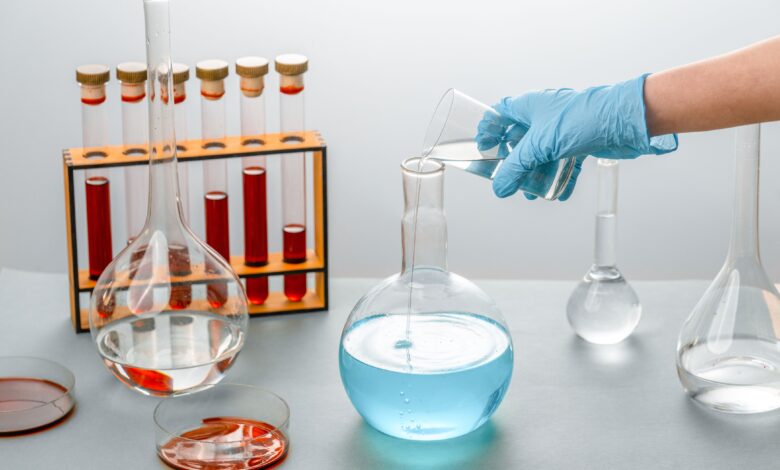
A messonde is a tool used to detect, measure, or track a physical property. In standard German, the correct spelling is Messsonde. The word usually means measuring probe, measurement probe, or measuring sensor in English. These probes support many tasks in science, medicine, manufacturing, water care, and industrial control.
A Messsonde can measure temperature, oxygen, pressure, salt, liquid level, or electrical conductivity. The exact task depends on the sensor inside the probe. Some models sit inside tanks. Others enter pipes, machines, soil, air, blood samples, or water systems.
The probe gathers information from its surroundings. It then changes that information into a signal. A meter, display, controller, or computer reads the signal and shows the result.
Messonde help workers make safe and fast choices. They can warn users about poor water quality, low oxygen, excess heat, high pressure, or an incorrect fluid level.
Quick Facts About Messonde
| Detail | Information |
|---|---|
| Correct German spelling | Messsonde |
| Common search spelling | Messonde |
| English meaning | Measuring probe, measurement probe, or measuring sensor |
| Main purpose | Detecting and measuring physical or chemical properties |
| Common measurements | Temperature, pressure, oxygen, pH, conductivity, and fluid level |
| Main fields | Engineering, medicine, science, water care, and manufacturing |
| Typical parts | Sensor element, protective body, cable, transmitter, and connector |
| Output types | Analog, digital, electrical, optical, or wireless |
| Installation areas | Tanks, pipes, machines, laboratories, aquariums, and treatment plants |
| Maintenance needs | Cleaning, inspection, calibration, and part replacement |
What Does Messonde Mean?
The term Messsonde joins two German words. “Mess” comes from messen, which means “to measure.” “Sonde” means a probe used to examine a place, object, gas, or liquid.
Together, the term describes a probe that takes measurements.
English speakers may translate it as a measuring probe, test probe, measurement sensor, or measuring head. The best translation depends on its design and use. Technical dictionaries list measuring probe and test probe among the standard meanings.
The spelling messonde often appears in web searches, product notes, or informal text. However, Messsonde is the normal German form.
A Messsonde is not one single product. It is a wide class of tools. Each probe is made for a set task. A temperature probe, for example, cannot always measure oxygen or salt.
How Does a Messonde Work?
A messonde begins with a sensor element. This part reacts when the target property changes. Heat, pressure, gas, light, or electrical flow may cause that change.
The sensor then creates a signal. The signal may be a small voltage, electrical current, resistance change, pulse, light response, or digital value.
A transmitter or control unit receives the signal. It turns the raw reading into a useful number. The final result may appear on a screen or enter an automated control system.
For example, a temperature probe may change its electrical resistance as heat rises. The connected meter reads that change and converts it into degrees.
An oxygen probe may use an optical or electrochemical process. It measures oxygen in a gas or liquid and sends the result to a meter. Modern oxygen systems support water treatment, food production, chemical plants, medicine, and fish farming.
Some probes take one reading at a time. Others work without stopping. Continuous probes are useful when a small change could affect safety, quality, or production.
Main Parts of a Measuring Probe
Most Messsonden have a sensing tip or active surface. This area touches or faces the material being tested.
A protective body covers the sensor. It may use steel, glass, ceramic, plastic, or another strong material. The correct material depends on heat, pressure, chemicals, and moisture.
Many probes also have a cable. The cable carries power and measurement data. Wireless models can send readings to a receiver without a direct data cable.
Some industrial measuring probes transmit temperature, battery status, and device identity to a main receiver. This allows staff to watch several points from one place.
A connector joins the probe to a meter or control system. Seals protect the inner parts from dust, water, oil, steam, or chemicals.
The probe may also include a transmitter. This part prepares the signal for a display, computer, alarm, or control unit.
Conductivity and Salinity Messonde
A Leitwert-Messsonde measures electrical conductivity. Conductivity shows how well a liquid can carry an electrical current.
Water with more dissolved ions usually has higher conductivity. Salts, minerals, acids, and other materials can change the reading.
For this reason, conductivity probes can help estimate salt levels in water. They are common in marine aquariums, water treatment plants, laboratories, chemical systems, and food production.
In an aquarium, the probe helps users track water conditions. Marine animals need stable water. A large salt change can cause stress or harm.
In industry, the same type of probe may check cleaning water, process liquid, wastewater, or chemical mixtures.
A conductivity probe needs regular care. Deposits can form on its surface. Dirt, oil, algae, or mineral scale may affect the result. Cleaning and calibration help keep readings accurate.
Temperature also affects conductivity. Many modern units use temperature correction to improve the final value.
Oxygen Messonde
An oxygen Messsonde measures oxygen in gas or liquid. It may track dissolved oxygen, oxygen concentration, or oxygen pressure.
Dissolved oxygen probes are widely used in water and wastewater systems. They help show whether water contains enough oxygen for fish, bacteria, or a treatment process.
Wastewater plants use oxygen data to manage biological treatment. Helpful bacteria need oxygen to break down waste. Too little oxygen can slow the process. Too much may waste energy.
Fish farms and aquariums also depend on oxygen readings. Low oxygen can quickly place fish at risk.
Two common sensor types are amperometric probes and optical probes. Amperometric sensors can measure a wide range, but they often need more routine care. Optical probes can provide stable readings with lower maintenance in many settings.
Medical and research systems may also track pO2, or the partial pressure of oxygen. Some systems measure carbon dioxide through related sensing tools.
Users must choose the correct oxygen probe for the sample, range, pressure, temperature, and required response time.
Level-Measuring Probes
A level Messsonde checks how much liquid or material is inside a tank, vessel, machine, well, or storage unit.
Level data helps prevent overflow. It can also stop pumps from running dry. Both problems may damage equipment or create safety risks.
Several sensing methods are available. A probe may use pressure, radar, ultrasound, capacitance, or electrical contact.
Contact probes touch the material. Non-contact models measure from above. Radar and ultrasonic sensors can often measure a surface without entering the liquid.
The right model depends on the tank shape and material. Foam, steam, dust, heat, pressure, and moving surfaces can affect the reading.
Heavy industry uses level sensors for fuel, water, oil, chemicals, powders, and process materials. Small systems may use them in coffee machines, heating units, or home water tanks.
A good level probe supports stock control. It also helps machines add, move, or stop liquid at the correct time.
Temperature Messonde
A temperature Messsonde measures heat in air, liquid, gas, food, soil, machines, or industrial material.
Common designs use resistance sensors, thermocouples, or semiconductor parts. Each type has its own range and level of accuracy.
The sensing part often sits inside a metal cover. The cover protects it from water, pressure, impact, and chemicals. Temperature probe makers may design special bodies for medical, laboratory, drug, and industrial work.
Factories use temperature probes to control ovens, motors, pipes, tanks, and cooling systems. Food plants use them to protect product quality and safety.
Medical teams use special probes for patients, samples, storage units, and treatment devices. Laboratories use them when tests need stable conditions.
The probe must have good contact with the target material. Poor placement may cause a slow or false reading.
pH and Chemical Measuring Probes
A pH Messsonde checks whether a liquid is acidic, neutral, or alkaline.
Many pH systems use a glass electrode. The electrode works with a pH meter, which changes the electrical response into a pH value.
pH probes support water testing, farming, food production, medicine, chemical work, and wastewater care.
A low or high pH value can change a chemical process. It can also harm fish, plants, products, pipes, or treatment bacteria.
pH probes need careful storage. The sensing tip must not dry out unless the maker allows it. Users may also need buffer liquids for calibration.
Other chemical probes can measure chlorine, carbon dioxide, ozone, turbidity, or selected ions. These tools help staff understand a sample without relying only on sight or smell.
Where Is Messonde Technology Used?
Messonde technology appears across modern industry. Manufacturing plants use probes to check machines, products, and raw materials.
A machine shop may use a measuring probe to check the size, depth, or position of a workpiece. These readings help workers find errors during production.
Water plants use probes for oxygen, pH, conductivity, chlorine, and turbidity. The data helps teams treat water and meet quality goals.
Chemical plants use probes inside pipes, tanks, and reaction systems. The readings support safe mixing and stable output.
Hospitals and laboratories use special probes for gases, heat, pressure, and body samples.
Farms may use probes to check soil moisture, storage temperature, or water quality. Food plants use them during heating, cooling, cleaning, and storage.
Environmental teams use measuring probes in rivers, lakes, soil, air, and radiation networks. Some gamma probes, for example, measure photon radiation when connected to the correct dose-rate meter.
Why Accurate Probe Readings Matter
A probe reading can guide an important action. A wrong value may lead to waste, damage, poor quality, or unsafe conditions.
In a tank, a false level reading may cause an overflow. In an aquarium, a false oxygen value may hide danger to fish.
A poor temperature reading may ruin food or damage a machine. An incorrect pH result may affect a full chemical batch.
Accuracy starts with the correct probe. The measurement range must match the task. The probe must also handle the expected heat, pressure, chemicals, and moisture.
Correct placement matters as well. A sensor placed near an inlet may give a different result from one in the center of a tank.
Good users compare readings with process conditions. A sudden value that makes no sense should lead to an inspection.
Calibration and Maintenance
Calibration compares a Messsonde with a known reference. This shows whether the probe gives the correct result.
Some probes need calibration before each test. Others may work for weeks or months between checks. The maker’s guide should set the schedule.
Cleaning is also important. Dust, grease, salt, lime, food, or biological growth can cover the sensing area.
Users should select a cleaning method that will not harm the probe. Strong chemicals may damage seals, glass, coatings, or membranes.
Cables need inspection too. Cuts, loose plugs, water entry, and bent pins may create unstable readings.
Some oxygen probes need new membranes or electrolyte. Optical oxygen models may need a new sensing cap after a set period.
Maintenance records help teams spot repeat faults. They also show when a sensor is becoming slow, unstable, or costly to repair.
How to Choose the Right Messonde
Start by naming the property you need to measure. It may be heat, oxygen, pressure, pH, salt, distance, or fluid level.
Next, check the measurement range. A probe built for cool water may fail in hot oil or steam.
Study the material around the sensor. Acid, saltwater, fuel, food, and wastewater require different body and seal materials.
Think about the required accuracy. A simple warning system may not need laboratory-grade precision. A medical or research task may require a much tighter limit.
Response time also matters. Some jobs need a result in seconds. Other systems can accept a slower reading.
Check the output type. The probe must work with the meter, programmable logic controller, transmitter, or software already in use.
Finally, review cleaning and calibration needs. A cheap probe may cost more over time if it requires frequent service or replacement.
Common Problems With Measuring Probes
Sensor drift is a common problem. Drift means the result slowly moves away from the true value.
Surface buildup can also cause errors. The probe may react to the coating instead of the real sample.
Air bubbles can affect liquid probes. Poor flow may also delay the response.
Electrical noise may disturb weak signals. Proper cables, shielding, grounding, and installation can reduce this issue.
Extreme heat or pressure may damage a probe that lacks the correct rating.
A cracked seal can allow water or chemicals inside the body. Once that happens, replacement may be safer than repair.
Regular checks catch these problems early. Staff should never assume that a digital result is correct simply because it appears on a screen.
The Future of Messonde Technology
Modern Messsonden are becoming smaller, smarter, and easier to connect.
Many new probes can send digital data directly to control systems. Some store calibration records or device details inside the sensor.
Wireless probes reduce long cable runs. Remote systems let teams view readings from another room or site.
Smart software can compare several measurements at once. It may find unusual changes before a machine or process fails.
Self-checking tools may also warn users about dirt, drift, weak signals, or part wear.
However, smart features do not remove the need for good installation. Even an advanced probe can give poor data when placed in the wrong location.
The best systems combine reliable hardware, correct calibration, clear software, and trained users.
Final Thoughts
A messonde, correctly written as Messsonde in German, is a measuring probe used to collect physical or chemical data.
It may measure oxygen, conductivity, temperature, pH, pressure, radiation, distance, or liquid level. Its design changes with the job.
These probes support safer machines, cleaner water, better products, and stronger process control. They also help workers find problems before those problems grow.
A reliable Messsonde depends on correct selection, good placement, regular cleaning, and proper calibration. When these steps work together, the probe can provide fast and useful data for many years.
Frequently Asked Questions
What is a messonde?
A messonde is a measuring probe or sensor that detects a physical or chemical property and sends the result to a meter or control system.
Is messonde the correct German spelling?
The standard German spelling is Messsonde. The spelling messonde is often an informal form, typing error, or search variation.
What can a Messsonde measure?
It can measure temperature, pressure, oxygen, conductivity, salt level, pH, radiation, distance, or the amount of material inside a tank.
Does every Messsonde need calibration?
Many probes need calibration, but the schedule depends on the sensor type, accuracy needs, working conditions, and maker’s instructions.
Where are measuring probes commonly used?
They are used in factories, laboratories, hospitals, aquariums, water plants, farms, chemical systems, machines, tanks, and environmental stations.