
Inomyalgia Symptoms and Warning Signs: How to Tell It Apart From Other Conditions

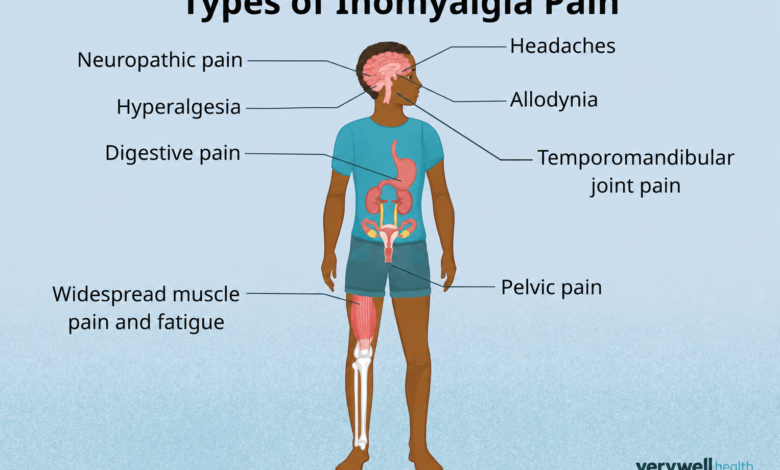
Inomyalgia is the Greek term used for fibromyalgia, a long-term condition linked with pain across the body, tiredness, poor sleep, and trouble with focus. The symptoms can look like many other health problems. That can make the condition hard to spot at first. Some people may think they have arthritis, thyroid disease, lupus, or chronic fatigue syndrome instead.
The pain is real, but it does not always come with visible swelling or damage. A person may look well while dealing with severe pain and exhaustion. Symptoms can also rise and fall. Good days may be followed by painful flare-ups with little warning.
Learning the main signs can help people know when they should speak with a doctor. It can also help explain why tests for other health problems may be needed before a diagnosis is made.
What Is Inomyalgia?
Inomyalgia comes from the Greek word ινομυαλγία, which is used for fibromyalgia. Greek rheumatology sources describe it as a condition marked by widespread pain, fatigue, sleep problems, and mental fog.
Fibromyalgia is a chronic pain disorder. The pain often affects muscles and soft tissues throughout the body. It is not simply normal muscle soreness after work or exercise.
Doctors still do not know one single cause. Current research points to changes in how the nervous system handles pain signals. The brain and spinal cord may react too strongly to signals that would cause less pain in other people.
Symptoms may start after an illness, injury, or period of major stress. In other cases, there is no clear starting event.
The condition can last for years. Yet symptoms may not stay at the same level each day.
The Main Inomyalgia Symptoms
The most common Inomyalgia symptoms form a pattern rather than one clear sign.
Widespread pain is usually the central problem. A person may feel aching, burning, throbbing, stiffness, or deep soreness. The pain may occur in the neck, shoulders, back, arms, hips, and legs.
Fatigue is also common. This is not always the type of tiredness that improves after one good night’s sleep. Some people wake up feeling as tired as they felt before bed.
Sleep problems can make the fatigue worse. A person may sleep for many hours yet still feel unrefreshed.
Thinking problems are another common feature. People often call this “fibro fog.” It may cause poor focus, slower thinking, memory slips, or trouble finding words.
The CDC also lists depression and anxiety among symptoms seen in people with fibromyalgia.
None of these signs alone proves that someone has the condition. The pattern matters.
What Does Inomyalgia Pain Feel Like?
Pain linked with Inomyalgia is usually widespread. That point can help separate it from a simple strain or local injury.
A pulled muscle may hurt in one clear area. Fibromyalgia pain can affect many areas at once.
Some people describe it as a dull ache. Others feel burning, sharp pain, tenderness, stiffness, or a heavy feeling in their muscles.
The location can shift. Your shoulders may hurt badly one day. Your legs, back, or hips may feel worse on another.
Touch can also feel painful. Pressure that would normally cause mild discomfort may hurt much more than expected.
This increased sensitivity is one reason fibromyalgia is linked with altered pain processing.
Pain must also be viewed over time. Current diagnostic approaches look for widespread symptoms that have lasted for at least three months rather than a short spell of soreness.
Fatigue Can Be More Than Feeling Tired
Fatigue is one of the biggest warning signs.
A person may wake after a full night in bed and still feel drained. Small tasks can take more effort than before.
Taking a shower, shopping, cleaning the house, or working at a desk may leave someone needing a break.
But fatigue alone does not point directly to fibromyalgia.
Low thyroid hormone can cause tiredness. So can anemia, sleep apnea, depression, infection, and myalgic encephalomyelitis/chronic fatigue syndrome (ME/CFS).
This is why doctors look at symptoms as a group.
When fatigue appears with widespread pain, poor sleep, tenderness, and mental fog over many months, fibromyalgia may become one possible explanation.
Blood tests can then help check for other causes. There is no single routine blood test that confirms fibromyalgia itself.
Poor Sleep and Waking Unrefreshed
Sleep may seem normal from the outside.
A person may spend seven or eight hours in bed. Yet they can wake feeling as if they barely slept.
That pattern is common with Inomyalgia.
Poor sleep can also feed other symptoms. Pain makes sleep harder. Poor sleep can then make pain and fatigue harder to cope with.
Some people also have another sleep condition at the same time.
For example, a doctor may order a sleep study if signs point toward sleep apnea.
That difference matters.
Sleep apnea can cause major daytime fatigue and poor focus. But loud snoring, pauses in breathing, choking during sleep, and marked daytime sleepiness may push the doctor to check for a sleep disorder instead of assuming fibromyalgia explains everything.
Both conditions can also exist together.
Fibro Fog and Problems With Memory
Pain is not the only symptom.
Many people with fibromyalgia report trouble with memory, focus, and clear thinking. This is often called fibro fog.
A person may lose track of a conversation. They may walk into a room and forget why they went there.
Names or words may take longer to recall. Work that once felt easy may require more focus.
These problems can become worse during a flare.
However, brain fog is not unique to Inomyalgia.
Poor sleep can cause it. So can stress, depression, thyroid problems, vitamin deficiencies, some medicines, and ME/CFS.
Sudden confusion is different.
New confusion, loss of speech, facial drooping, weakness on one side, or a sudden severe headache needs urgent medical care. Those are not symptoms that should simply be blamed on fibromyalgia.
Sensory Sensitivity and Other Less Obvious Signs
Fibromyalgia can involve more than pain and fatigue.
Some people become more sensitive to touch. Noise, light, temperature, or strong smells may also feel harder to tolerate.
Headaches and migraines can occur as well.
Digestive problems may appear. Irritable bowel syndrome (IBS) is often seen alongside fibromyalgia.
Some people report numbness or tingling. Jaw pain and symptoms linked with the temporomandibular joint can occur too.
Mood symptoms may also develop. Chronic pain can place heavy stress on daily life. Anxiety and depression are both reported in people with the condition.
These extra symptoms can make the condition confusing.
A person may visit one doctor for headaches, another for stomach trouble, and another for muscle pain without seeing how the symptoms may connect.
What Is an Inomyalgia Flare-Up?
Symptoms do not always remain stable.
An Inomyalgia flare is a period when existing symptoms become stronger. Pain may spread or increase. Fatigue can become severe.
Sleep may get worse. Thinking may feel slower. Even normal touch may become harder to tolerate.
A flare may follow poor sleep, illness, physical strain, or emotional stress. Yet a clear trigger is not always found.
This can make daily planning difficult.
One common mistake is doing too much on a good day. A person may try to catch up on exercise, housework, or errands all at once.
That can leave them feeling worse afterward.
Gentle, regular activity is usually preferred to repeated cycles of total rest followed by heavy activity. Exercise and movement are part of common fibromyalgia management plans.
Inomyalgia vs Rheumatoid Arthritis
Rheumatoid arthritis (RA) can cause pain, stiffness, and fatigue, so the early symptoms may look similar.
But they are not the same condition.
RA is an inflammatory autoimmune disease. It directly affects joints and can produce clear joint swelling, warmth, and inflammation.
Fibromyalgia does not usually cause the same inflammatory joint damage.
Someone with Inomyalgia may feel as though their joints are swollen even when a medical exam does not show true swelling.
Doctors may use blood tests, physical exams, and imaging when they suspect rheumatoid arthritis or another inflammatory condition.
There is another important point.
A person can have both fibromyalgia and rheumatoid arthritis. Finding one does not always rule out the other. Greek rheumatology sources also note that fibromyalgia can occur alongside rheumatic diseases.
Inomyalgia vs Lupus
Lupus may also cause body pain, fatigue, headaches, and poor focus.
That overlap can be confusing.
But lupus is an autoimmune disease that can cause inflammation and affect organs. Depending on the person, signs may include joint swelling, skin rashes, mouth sores, fever, kidney problems, or other findings.
Fibromyalgia does not usually cause that type of organ inflammation.
Doctors may order blood and urine tests if the symptom pattern raises concern for lupus.
Testing matters because treatment is very different.
At the same time, having lupus does not make fibromyalgia impossible. The two conditions may occur together.
This is one reason a person should not try to diagnose Inomyalgia from an online symptom list alone.
Inomyalgia vs Thyroid Disease
An underactive thyroid, known as hypothyroidism, may look surprisingly similar to fibromyalgia.
Both can involve fatigue, muscle aches, poor concentration, low mood, and weakness.
Thyroid disease may also cause weight changes, dry skin, constipation, feeling cold, or changes in heart rate.
The major difference is testing.
Doctors can measure thyroid hormones with blood tests. A clear abnormal result may point toward thyroid disease.
There is no comparable blood test that confirms fibromyalgia.
This does not mean every person with body pain needs a large number of tests. The tests chosen depend on the symptoms, medical history, age, examination, and other risk factors.
The goal is to find the best explanation rather than simply attach a name to the pain.
Inomyalgia vs ME/CFS
Fibromyalgia and ME/CFS can have major overlap.
Both may involve deep fatigue, unrefreshing sleep, thinking problems, headaches, and pain. Mayo Clinic lists ME/CFS among conditions that may cause ongoing pain and tiredness similar to fibromyalgia.
One useful clue is which symptom dominates the illness.
Widespread pain is a central feature of fibromyalgia.
ME/CFS places major emphasis on a severe drop in the ability to do normal activities and worsening symptoms after physical or mental effort. This worsening is known as post-exertional malaise.
That does not create a perfect dividing line.
Some people meet criteria for both conditions.
A medical assessment is therefore more useful than comparing one or two symptoms.
How Doctors Diagnose Inomyalgia Today
There is no single scan or laboratory test that proves someone has Inomyalgia.
Diagnosis is mainly clinical.
Doctors review where pain occurs, how long it has lasted, how severe other symptoms are, and how much they affect daily life.
Modern criteria use tools such as the Widespread Pain Index and Symptom Severity Scale. Symptoms should generally have remained present at a similar level for at least three months.
Older information often says that doctors must find 11 painful spots from a set of 18 “tender points.”
That was part of older diagnostic criteria.
The tender-point test is no longer required under modern criteria. Diagnosis now gives more weight to widespread pain plus symptoms such as fatigue, unrefreshing sleep, and cognitive problems.
Doctors may still examine tender areas during a physical exam. But a person does not have to “pass” the old 11-point test to have fibromyalgia.
Warning Signs That May Point to Something Else
Not every new symptom should be blamed on fibromyalgia.
Some signs need a fresh medical review.
True joint swelling, persistent high fever, unexplained major weight loss, new skin rashes, severe muscle weakness, or steadily worsening neurological problems may point toward another condition.
Chest pain, major breathing trouble, fainting, sudden weakness, or stroke-like symptoms need urgent assessment.
New symptoms deserve attention even after someone has already received an Inomyalgia diagnosis.
A diagnosis should explain symptoms. It should not become a reason to ignore every future health change.
This is especially important because fibromyalgia can exist alongside other illnesses.
Managing Symptoms After Diagnosis
There is no single cure for fibromyalgia, but symptoms can often be managed.
Treatment usually combines several methods rather than relying on one drug.
Regular low-impact exercise is often part of care. Walking, swimming, gentle cycling, yoga, or similar activities may be used based on a person’s ability.
Sleep habits also matter.
Going to bed and waking at regular times may help support better sleep. Stress management and pacing daily tasks may reduce sudden overload.
Cognitive behavioral therapy (CBT) can help some people develop ways to cope with chronic pain and its effect on daily life.
Medicines may also be used. Depending on the patient, doctors may consider drugs such as duloxetine, milnacipran, or pregabalin. The right choice depends on symptoms, other health issues, side effects, and current medications.
NIAMS notes that treatment often combines medication with behavioral care and self-management methods such as physical activity.
Final Thoughts
Inomyalgia can be difficult to recognize because its symptoms overlap with many other conditions. Widespread pain is one of the strongest clues, but fatigue, poor sleep, fibro fog, headaches, and increased sensitivity can all be part of the same pattern.
The key is persistence and combination.
Pain in one muscle after exercise is not the same thing. A tired week after poor sleep is not enough either. Fibromyalgia usually involves several ongoing symptoms that affect many parts of daily life.
And comparison has limits.
Rheumatoid arthritis, lupus, hypothyroidism, ME/CFS, sleep disorders, and other health problems can produce some of the same complaints. Some can even exist alongside fibromyalgia.
For that reason, symptoms should guide a medical evaluation rather than replace one. A doctor can review the full pattern, check for other causes, and decide whether the signs fit fibromyalgia or point somewhere else.