

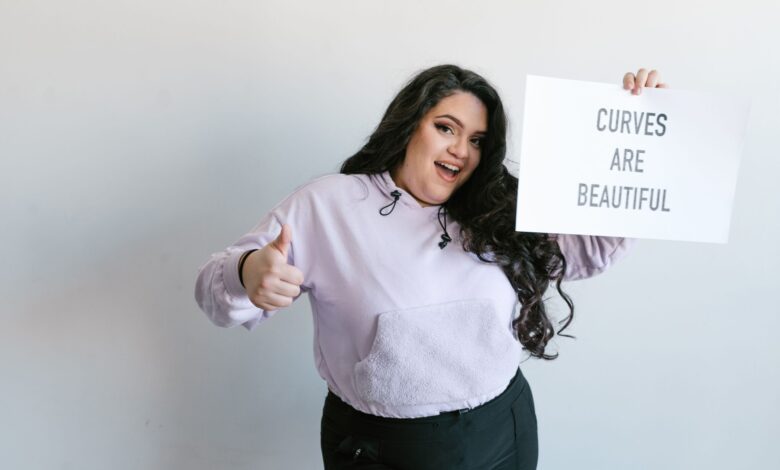
Arula was a women’s fashion brand made for shoppers who wanted stylish clothes in extended sizes. It became known for soft dresses, floral prints, denim, romantic details, and a relaxed boho look. The brand served women who often felt overlooked by mainstream fashion stores. Its clothing and store experience helped it build a loyal customer base before the business closed in 2025.
The company had close ties to Altar’d State, a women’s fashion and lifestyle retailer. While the two brands shared a similar visual style, Arula focused on midsize and plus-size shoppers. That focus gave it a clear place in the market.
Its closure came as a surprise to many longtime shoppers. The stores and online shop are no longer operating. Still, old pieces remain popular on resale sites, and some of the ideas behind the brand can now be seen in the wider size range offered by Altar’d State.
What Was Arula?
Arula was a women’s clothing brand focused on extended sizing. Its collections were made for women who wanted trendy fashion without giving up comfort or fit.
The label offered dresses, tops, jeans, skirts, sweaters, jackets, and other everyday pieces. Many items had a feminine look. Floral patterns, flowing fabric, puff sleeves, lace, and soft colors appeared often.
Its style was closely linked with modern boho fashion. The clothes could feel romantic without looking too formal. A shopper might find a floral dress for an event beside casual denim that could work for a normal weekend.
This mix helped the company stand apart. It did not present extended-size clothing as a separate or less fashionable part of retail. Style came first.
How the Brand Got Its Start
The label developed as a sister concept to Altar’d State. It was created to reach women who needed a broader size range than the main brand traditionally offered.
The concept was first known as A’Beautiful Soul before moving into the Arula identity. The change gave the business a more distinct image and allowed it to grow as its own fashion concept.
Its purpose, however, remained easy to understand. The company wanted women in larger sizes to have access to the same kind of romantic and trend-led fashion that smaller-size shoppers could find.
That idea helped the business connect with a market that had long faced limited options.
Many traditional stores carried plus sizes, but those lines were not always equal to their standard collections. Styles could be more basic, and in-store choices were often small.
Arula tried to create a more complete shopping experience.
What Made Arula Different?
One of the strongest parts of the brand was its identity. It did not look like a basic extended-size clothing department hidden inside a larger store.
Instead, it had a clear fashion point of view.
The brand used flowing shapes, floral designs, feminine details, and casual fabrics. Dresses were a major part of the look. Shoppers could also find jeans, blouses, graphic tops, cardigans, and seasonal clothing.
This mattered because plus-size shoppers have often had fewer trend-based choices in physical stores.
The company also built its stores around the same warm and polished look found in its clothing. Shopping was meant to feel personal rather than clinical.
That approach helped turn normal customers into loyal followers.
Arula Sizing and Its Focus on Fit
Sizing was central to the business model. The company was widely associated with women who wore roughly sizes 10 through 24, including extended sizing such as 0X through 3X.
That range placed the brand between the midsize and plus-size markets.
This was an important space to serve. Women near the middle of standard and plus sizing can have a hard time finding consistent fits. One retailer may stop at a size 12 or 14, while another may begin its plus collection at a larger size.
A dedicated extended-size store gave customers more choices in one place.
Fit was also important because many of the brand’s designs used shapes that could work for different occasions. A shopper could find loose everyday pieces as well as more fitted dresses and jeans.
The goal was not simply to make existing clothes larger. The collection was built around the customer it wanted to serve.
The Fashion Style Customers Remember
The Arula look was easy to recognize.
Its dresses often used floral patterns, textured fabric, ruffles, embroidery, and flowing skirts. Some pieces had a soft country feel. Others leaned toward modern boho fashion.
Denim also became an important part of the range. Jeans could be paired with feminine blouses, sweaters, or casual tops. Flare styles worked well with the brand’s relaxed fashion identity.
Seasonal collections brought in new colors and fabrics. Spring and summer leaned toward lighter materials and bright prints. Fall collections could include richer colors, layers, denim, and cozy knits.
The overall style stayed fairly consistent.
That consistency was useful. Customers who liked the brand generally knew what kind of fashion they would find when they returned.
Why the Brand Built a Loyal Community
Clothing was only part of the reason people connected with the company.
Representation mattered too.
Many plus-size women have spoken for years about the difficulty of finding fashionable clothes in stores. Online shopping has increased the number of options, but buying clothing without trying it on creates another problem.
Physical locations gave shoppers a chance to see fabrics, test sizes, and compare fits.
A store designed for extended sizes could also make the shopping experience feel more normal. Customers did not have to search through a small rack at the back of a standard-size store.
That sense of inclusion helped build loyalty.
Social media also gave customers a place to share outfits and discover new releases. Dresses could gain attention for weddings, vacations, graduation events, family photos, and other occasions.
As a result, certain older styles remained desirable even after they sold out.
What Happened to Arula?
The biggest change came in 2025.
The company announced that the brand would close. Its physical stores and dedicated online business were phased out, ending the label as a separate retail operation.
For regular shoppers, the news meant more than losing another clothing store. It removed a retail option that had been built around an underserved size group.
Customers had used the brand for casual fashion, denim, work outfits, and event dresses. Finding another store with the same mix of sizing and style was not always easy.
The closure also reflected a wider challenge in fashion retail. Running a separate brand requires stores, inventory, marketing, staff, online operations, and other major costs.
The exact business decisions behind a private retailer are not always made public in full. It is therefore better not to assume a single reason caused the shutdown.
What is clear is that the dedicated brand came to an end in 2025.
What Happened to Its Clothing After the Closure?
Closing a brand does not make its clothing disappear.
Thousands of pieces were already sitting in customer closets. Some remaining inventory also continued to move through the market.
This created a growing secondhand market.
Shoppers who missed the brand can now search resale platforms for older dresses, jeans, blouses, sweaters, and other items. Some pieces are inexpensive, while harder-to-find styles may have higher asking prices.
The secondhand market is especially useful for customers who already know their preferred fit.
Someone who owned a favorite dress, for example, may be able to search its product name, size, print, or other details and find the same item from another seller.
For fans, resale has become the closest thing to shopping the old collections.
Where Can You Buy Arula Clothing Now?
Since there is no longer a normal dedicated retail operation, secondhand marketplaces are the main option.
ThredUp can be useful for shoppers who want discounted secondhand clothing. Inventory changes often because pieces depend on what sellers send to the platform.
Poshmark is another useful source. Individual sellers list clothing directly, which can make it easier to find a specific dress, denim style, or older collection.
eBay may also have both used and new-with-tags pieces. Search filters can help narrow results by size, condition, price, and style.
Mercari works in a similar way. Its listings come and go, so checking again later can help when a specific item is not available.
Prices are not fixed across these sites. They depend on the seller, condition, demand, rarity, and original retail value.
Shoppers should check measurements and condition before buying because resale purchases may have different return rules.
How to Shop for Old Pieces Online
Searching by the brand name alone can return a large mix of items.
More specific searches work better.
Try adding the clothing type, size, color, or product name. A search for a floral midi dress in a certain size will usually be more useful than a broad brand search.
Photos also matter.
Look for clear pictures of the label, fabric, front, back, and any signs of wear. If measurements are not listed, ask the seller for them before buying.
Do not depend only on the size printed on the tag. Different cuts can fit in different ways.
Measurements are especially useful for denim and fitted dresses.
Buyers should also compare prices. The same older item may appear on several resale sites at very different prices.
What Altar’d State Offers After the Closure
The story did not end with the shutdown.
Altar’d State has expanded parts of its own sizing. Its current official size information includes extended sizes for a number of clothing categories. For dresses and tops, the retailer lists sizes through 3XL on its size chart.
Current product and collection pages also show extended sizing on parts of the main Altar’d State website. This gives some former Arula shoppers another place to look for the feminine styles they liked.
The ranges are not identical, though.
A shopper who loved the old label may not find an exact replacement for every favorite dress or pair of jeans. Still, the wider sizing shows that extended-size shoppers remain part of the retailer’s market.
It also helps keep part of the earlier brand philosophy alive within a larger clothing line.
Why the Closure Still Matters
The rise and fall of Arula says something important about modern fashion.
Plus-size shoppers do not simply want larger clothing. They want choice.
They want casual clothes, workwear, event dresses, denim, seasonal trends, and personal style. They also want stores where they can try those clothes on without feeling like an afterthought.
That demand does not disappear when one retailer closes.
In fact, the strong resale activity around discontinued fashion can show how attached customers become to certain fits and designs. When shoppers keep searching for old styles, those clothes still hold value to them.
Fashion retailers can learn from this.
Size inclusion works best when it is part of the full shopping experience. It should include good design, useful size ranges, clear fit information, and enough stock to give shoppers real choices.
The Lasting Appeal of Arula
The brand is gone, but its fashion has not vanished.
Old dresses still appear on resale sites. Denim moves from one owner to another. Fans search for styles they missed the first time or try to replace pieces they once loved.
That gives the label an unusual second life.
Its strongest legacy may be the community it served. The company showed that feminine, boho-inspired fashion could be marketed directly to midsize and plus-size women without treating style as secondary.
Today, customers have more online options than they did several years ago. Yet finding the right mix of fit, quality, style, and in-store access can still be difficult.
That is why former shoppers continue talking about the brand.
Final Thoughts
Arula filled a clear space in women’s fashion. It offered romantic dresses, casual denim, floral designs, and trend-led clothing to women who often had fewer choices at mainstream stores.
Its closure in 2025 ended the dedicated retail brand, but it did not erase its impact. Former customers can still find pieces through secondhand marketplaces, while Altar’d State now carries extended sizing across parts of its own range.
For longtime fans, the name may bring back memories of favorite dresses or comfortable jeans. For new shoppers who discover the label through resale sites, it has become a discontinued fashion brand worth searching for.
Its story also carries a larger lesson. Inclusive sizing is not only about numbers on a tag. Customers want clothing that feels current, looks good, fits well, and gives them room to express their own style. That demand remains even after a favorite store closes.