
Chief Technical Examiner: Role, Duties, Powers, and Work in Government Technical Audits

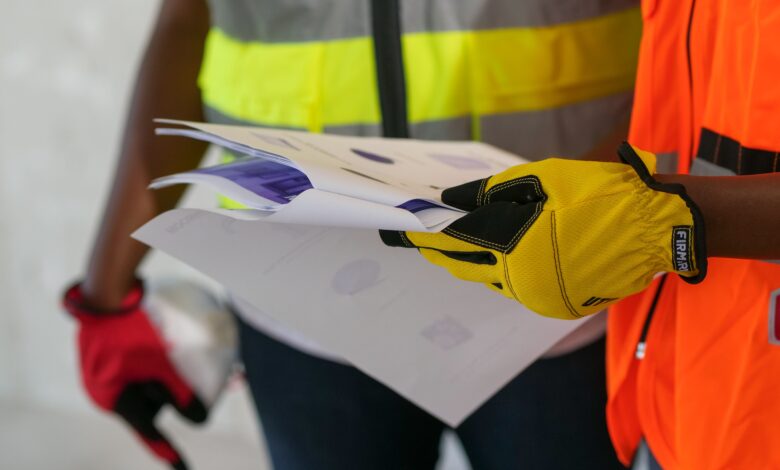
A Chief Technical Examiner is a senior technical expert who checks public works, contracts, purchases, and related government projects. In India, the title is strongly linked with the Central Vigilance Commission (CVC) and its Chief Technical Examiner’s Organisation (CTEO). The work combines engineering knowledge with technical audit, contract review, and vigilance. The aim is simple: public money should pay for the quality, quantity, and work that a contract promises.
This is not a routine engineering desk job. Technical examiners may study tender papers, bills, specifications, site records, measurements, test results, and contract terms. When needed, they may also examine work at the project site.
Their findings can expose weak controls, poor-quality work, unfair tender conditions, excess payments, or other serious gaps.
What Is a Chief Technical Examiner?
The title refers to a senior engineer or technical officer who carries out high-level examination of government projects and contracts.
Within the CVC system, the Chief Technical Examiner’s Organisation acts as its technical wing. Government guidance describes its work as examining public procurement contracts and advising the Commission on technical matters.
The role is different from that of an ordinary project engineer.
A project engineer may help design, build, manage, or maintain a project. A technical examiner looks at the work with a reviewer’s eye. The examiner asks whether rules were followed and whether public funds received fair value.
That difference matters.
The officer is not there simply to find construction defects. Contract procedure, tender terms, rates, approvals, records, payments, and technical decisions can all come under review.
How the Chief Technical Examiner’s Organisation Began
The history of the CTEO goes back several decades.
Government records state that the organisation was created in May 1957 in the then Ministry of Works, Housing and Supply. It originally examined works carried out by the Central Public Works Department (CPWD).
A major change came after the government accepted recommendations connected with the Santhanam Committee. Administrative control of the organisation moved to the Central Vigilance Commission in 1964.
Its scope then became much wider than the original CPWD role.
Over time, public procurement also became more complex. Government bodies began buying advanced equipment, electrical systems, digital services, specialized machinery, and large infrastructure packages.
Technical vigilance had to grow with that complexity.
What Does a Chief Technical Examiner Do?
The work can cover several stages of a public contract.
A Chief Technical Examiner may review how an agency planned a project, prepared its tender, assessed bids, awarded the contract, supervised the work, and processed payments.
The officer may study whether technical specifications were clear. Another question is whether bidders received a fair chance to compete.
Price alone does not settle every issue.
An unusually cheap contract may still produce poor value if specifications are weakened later. Likewise, a technically good project can raise concern when changes, payments, or approvals do not match the contract.
This makes the job both technical and procedural.
Official material also lists technical audits of government construction works, examination of complaints, help in technical investigations, and advice to vigilance authorities among CTEO functions.
Technical Audits and Intensive Examination
One of the best-known parts of the role is the intensive examination of public procurement contracts.
An intensive examination goes deeper than a quick file check.
Records may be called for and studied in detail. Depending on the case, an examination can also involve a field or site visit. The CVC’s 2022 guidance includes procedures for examination based on records as well as examinations involving site visits and sample collection.
For construction work, examiners may compare drawings with actual work.
They can study measurements, material records, specifications, bills, approvals, and quality reports. Testing may also become important when the quality of materials or completed work is in doubt.
The basics in testing remain straightforward: define what standard applies, use a sound test method, record the result, and compare it with the contract requirement.
Evidence matters more than assumptions.
Examining Government Procurement
Public procurement is much broader than roads and buildings.
Government agencies buy computers, medical systems, vehicles, electrical equipment, machinery, consultancy services, maintenance packages, and many other items.
That is why technical examination may extend beyond civil engineering.
CVC-related guidance has described separate attention to civil and horticulture works as well as electrical, mechanical, store purchase, and service contracts.
Suppose an agency buys a complex machine.
The review could examine the tender specification, technical eligibility rules, bid evaluation, delivery conditions, inspection requirements, acceptance tests, warranty terms, and final payment.
For a construction contract, attention may turn to quantities, material quality, substituted items, extra work, measurements, delays, and changes in specifications.
Every contract creates a different trail of evidence.
Why Tender Documents Matter
Good procurement begins long before a contract is signed.
Tender documents should tell bidders what the government actually needs. Technical requirements must be clear enough for firms to prepare comparable offers.
This is especially important during technical bid evaluation.
A Government of India research organisation circulated CTE guidance stating that technical parameters and their weightages should be based on rational criteria and expressed clearly in tender documents so bidders understand how their offers will be judged.
Vague criteria create problems.
They can lead to inconsistent decisions or disputes between bidders and the buying agency. Worse, unclear rules can leave room for unfair treatment.
A good technical examiner therefore looks beyond the final winning price. The process used to reach that result matters too.
Site Inspection and Quality Control
Files can reveal a lot. A project site can reveal more.
A Chief Technical Examiner or supporting technical team may examine whether the actual work matches approved drawings, specifications, and paid quantities.
Imagine a building contract that requires one grade of material while the site contains another.
That is not merely a paperwork error.
It can affect safety, service life, cost, and public value.
Government guidance on management of works also stresses quality testing, proper measurement records, material reconciliation, control of unauthorized specification changes, and removal of substandard material.
Site inspections can therefore connect documents with physical facts.
An approved bill says what the government paid for. The site helps show what it actually received.
Complaints and Technical Investigations
Not every examination starts with a routine contract review.
A complaint may raise a technical question.
For example, someone may claim that poor material was accepted, quantities were overstated, an unnecessary item was added, or technical conditions favored a particular bidder.
Such claims cannot always be settled by an administrator.
Engineering judgment may be needed.
The CTEO has long been assigned a role in investigating specific complaints related to works and providing technical assistance in vigilance matters. Official training material also notes its role in assisting the Central Bureau of Investigation (CBI) when investigations involve technical issues.
A technical finding does not automatically prove corruption.
That distinction is important.
It identifies facts, defects, procedural gaps, or questionable decisions. The proper authority then considers those findings within the applicable vigilance, disciplinary, contractual, or legal process.
Working With Chief Vigilance Officers
Government departments and public bodies often have a Chief Vigilance Officer (CVO) who handles vigilance-related work inside the organisation.
The technical and vigilance sides may work together.
The CTEO can provide specialist advice where an issue requires engineering or procurement expertise. The CVO, meanwhile, has knowledge of the organisation, its officers, internal procedures, and records.
Government departments may also carry out their own CTE-type inspections.
For example, public-sector reporting has described surprise and regular examinations of high-value purchases and contracts based on the type of checks associated with the Chief Technical Examiner.
This approach supports preventive vigilance.
Finding a weak procedure before it becomes common can be more useful than dealing with the same failure across dozens of contracts later.
Skills Needed for the Role
A senior technical examiner needs more than an engineering degree.
The work requires deep knowledge of contracts and procurement. The officer must also understand drawings, specifications, measurements, quality standards, tender evaluation, rates, bills, and project records.
Clear writing matters as well.
An examination has little value if its findings are vague or cannot be supported by records.
The officer must separate a minor technical difference from a serious contract failure. That calls for judgment.
Modern projects create new demands too. A contract may involve software-controlled equipment, specialized infrastructure, automation, or rapid prototyping before final production.
The examiner does not need to invent or operate every technology involved. But the review must understand the requirement well enough to test whether procurement decisions make technical and financial sense.
Records Used During an Examination
Technical review depends heavily on documents.
Tender notices, estimates, drawings, agreements, bid papers, comparison statements, inspection reports, measurement records, invoices, test reports, correspondence, approvals, and payment records can all matter.
A well-managed project should leave a clear trail.
Think of the contract documents as a user manual guide for the project. They establish what should happen, who has authority, what quality is required, and how payment will work.
But written terms are only the start.
Examiners compare those terms with what actually happened.
If a variation was approved, who approved it? If quantities changed, why? If a bidder failed a technical condition, was the same rule applied to every competing bidder?
Small records can answer large questions.
Preventive Vigilance Is a Major Goal
The popular image of vigilance work is an investigation after something has gone wrong.
That is only part of the picture.
Technical examination can also prevent future loss.
Suppose several contracts reveal the same weak clause. The better response may be to correct the procurement system rather than wait for another dispute.
A Ministry of Defence statement provides a useful example. It said the CVC examines contracts and works of bodies such as the Military Engineering Services and Border Roads Organisation through its Chief Technical Examiner. Shortcomings can then be used to improve systems and procedures.
That is preventive vigilance in practical form.
It turns one examination into a lesson for future projects.
Is a Chief Technical Examiner the Same as an Auditor?
Not exactly.
There is some overlap because both roles examine evidence and check whether rules were followed.
But the technical examiner brings specialized engineering and procurement knowledge to the review.
A financial auditor may focus on expenditure, accounting controls, authorization, and financial records. A Chief Technical Examiner can examine whether quantities make engineering sense, whether technical specifications were followed, or whether a design change was justified.
The roles can complement each other.
A payment can be correctly entered in the accounts yet still relate to technically defective work. The accounting record may be perfect. The concrete, machine, cable, road layer, or other supplied item may not be.
Technical examination helps fill that gap.
Why the Chief Technical Examiner Matters
Government procurement involves public money.
A small percentage of waste on a large infrastructure program can become a major loss. Poor-quality work can also create costs years after a project is complete.
The Chief Technical Examiner adds specialist scrutiny where ordinary administrative review may not be enough.
The role can test whether competition was fair, specifications were sound, work met required standards, quantities were genuine, and payments matched contractual obligations.
But technical vigilance has a wider purpose.
Good examination creates feedback. Departments can correct weak tender clauses. Engineers can improve records. Procurement teams can make evaluation rules clearer. Managers can tighten quality controls.
That is why the office should not be viewed only as a fault-finding post.
Its larger value lies in making public contracting easier to check, harder to manipulate, and more likely to deliver what taxpayers paid for.
Final Thoughts
The Chief Technical Examiner sits at the point where engineering, public procurement, accountability, and vigilance meet.
In India’s Central Vigilance Commission framework, the CTEO has roots dating to 1957 and came under CVC control in 1964. Its work developed from technical examination of government construction into a broader system of intensive examination, procurement review, complaint support, and technical vigilance.
The basic idea has stayed the same.
Check the records. Check the technical facts. Compare both with the contract.
When those three pieces agree, public agencies have stronger evidence that a project delivered what it promised. When they do not, a careful technical examination helps show where the problem began.